
Spine and joint pain
From neck and lower back disc problems to shoulder, knee, and wrist pain. We use Chuna to realign the body structure, and acupuncture, pharmacopuncture, and Korean medicine physical therapy to help manage the pain.
- Neck · Lower back discs
- Shoulder · Frozen shoulder
- Knee · Ankle
- Wrist · Elbow
- Muscle knots · Muscle pain
- Spinal stenosis
Consider a consultation if you have symptoms like these
- Your lower back is so stiff in the morning that it is hard to straighten up
- Sitting for a long time makes your buttocks and legs go numb
- Your neck and shoulders both feel tight when you turn your head
- It is hard to raise your arm, and your shoulder aches at night
- Your knees twinge when you go down stairs
- Pain keeps coming back from heavy use of your wrists and elbows
We look for the cause before the sore spot
Even the same lower back pain has different causes in different people. Tension in muscles and ligaments, imbalance in the pelvis and spine, disc problems, and long-standing posture habits are often tangled together.
At Woorimbon Korean Medicine Clinic, we look for the cause of your pain through an interview, palpation, and posture and movement checks, then combine Chuna manual therapy, acupuncture, pharmacopuncture, decompression therapy, and Korean medicine physical therapy to suit your condition. After the pain settles, we also go over your posture and daily habits to help keep it from coming back.
How we treat it at Woorimbon
Depending on your condition, we choose what you need from the treatments below and combine them.
- 01
Chuna manual therapy
A Korean medicine doctor uses their hands to realign the spine and joints and the surrounding muscles. It is covered by National Health Insurance for musculoskeletal conditions.
- 02
Acupuncture · Electroacupuncture
Needles placed at the painful area and related acupoints help relax stiff muscles and support circulation.
- 03
Pharmacopuncture
A small amount of solution extracted and purified from medicinal herbs is injected into acupoints or the painful area.
- 04
Bee venom pharmacopuncture
Pharmacopuncture that injects a small amount of purified bee venom. A hypersensitivity test is always done before treatment.
- 05
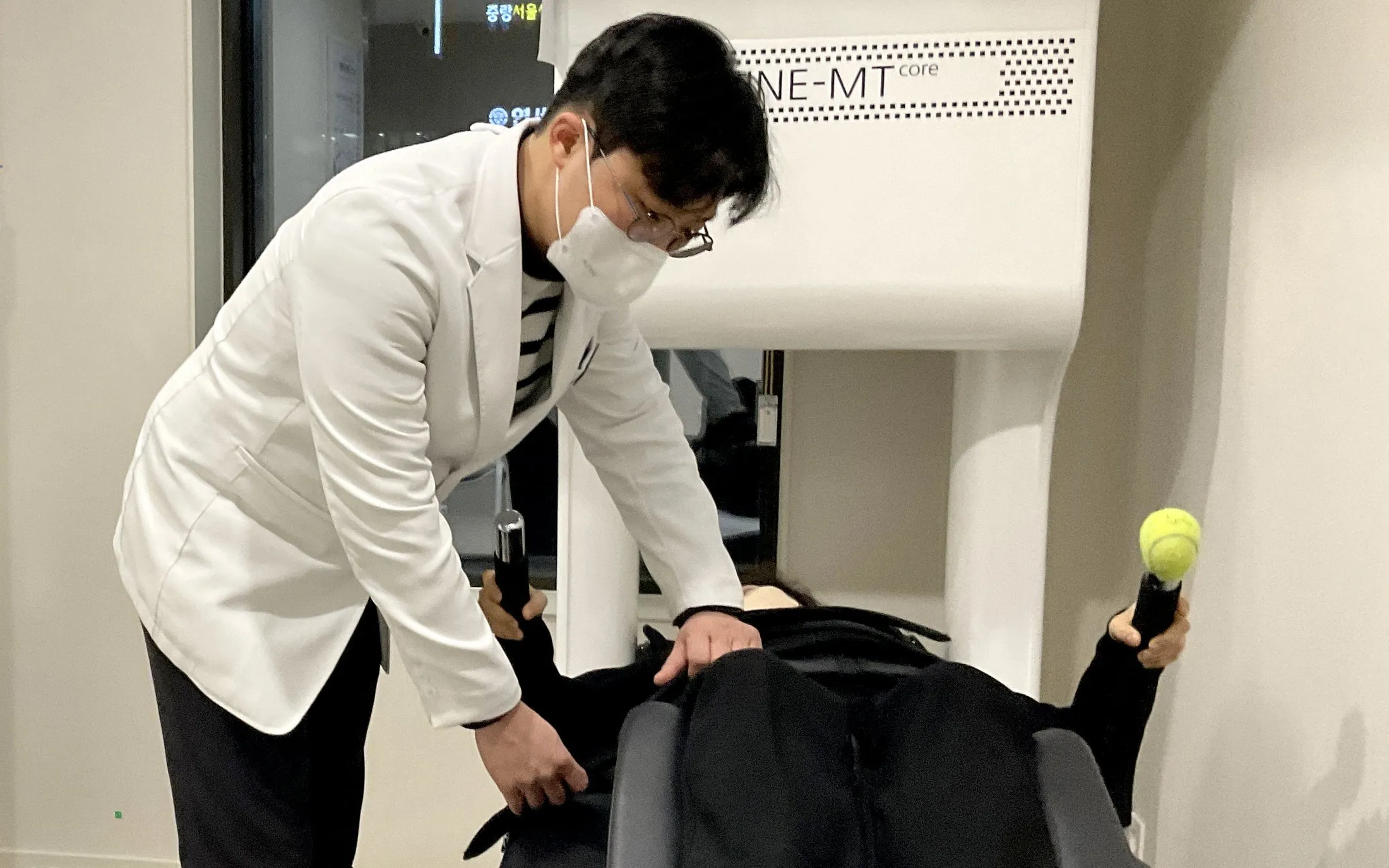
SpineMT decompression therapy
Reduces pressure on the spine in a near-weightless position to ease the load on the discs and nerves.
- 06
Korean medicine physical therapy
Heat and electrical stimulation, magnetic field therapy, and aqua bed hydrotherapy help support recovery.
How your visit works
- STEP 1
Consultation · Examination
We ask when and how the pain started and about your daily habits, and check your posture and movement.
- STEP 2
Explaining the cause · Treatment plan
We explain the results and decide on the treatment methods and expected duration together.
- STEP 3
Personalized treatment
We provide Chuna, acupuncture, pharmacopuncture, decompression therapy, and physical therapy to suit your condition.
- STEP 4
Daily care
We guide you on posture, stretching, and daily habits to reduce recurrence.
Please read before treatment
- Treatment results and recovery time vary depending on the cause of the pain and your individual condition.
- Temporary pain, bruising, or swelling may occur where acupuncture or pharmacopuncture is applied.
- Bee venom pharmacopuncture can cause allergic reactions to bee venom, so it is given after a prior test. Please tell us right away if you notice any unusual reaction.
- If you have severe nerve symptoms, such as weakness in the legs or problems with bladder or bowel control, we will first recommend imaging tests and care at a hospital.
Frequently asked questions
QIs Chuna manual therapy covered by National Health Insurance?
Yes. Since 2019, Chuna manual therapy for musculoskeletal conditions has been covered by National Health Insurance. There is a limit on the number of covered sessions per year, and the copayment rate depends on the condition, so we will explain the details when you visit.
QHow often do I need treatment?
In the early stage when pain is severe, treatment is often 2–3 times a week, with the intervals getting longer as symptoms improve. We decide the exact number together after checking your condition.
QI have been diagnosed with a herniated disc. Can it be treated at a Korean medicine clinic?
Many patients who have been diagnosed with a herniated disc receive treatment with us. If you have imaging results such as an MRI, please bring them. They help us plan your treatment.
If something is bothering you, feel free to drop by
If you are not sure whether you need Spine and joint pain care, you are welcome to ask us first by phone or email. Booking ahead shortens your wait. Woorimbon Korean Medicine Clinic is a 5-minute walk from Mangu Station Exit 1, on the second floor of the building next to the north gate of Woorim Market.
Related care
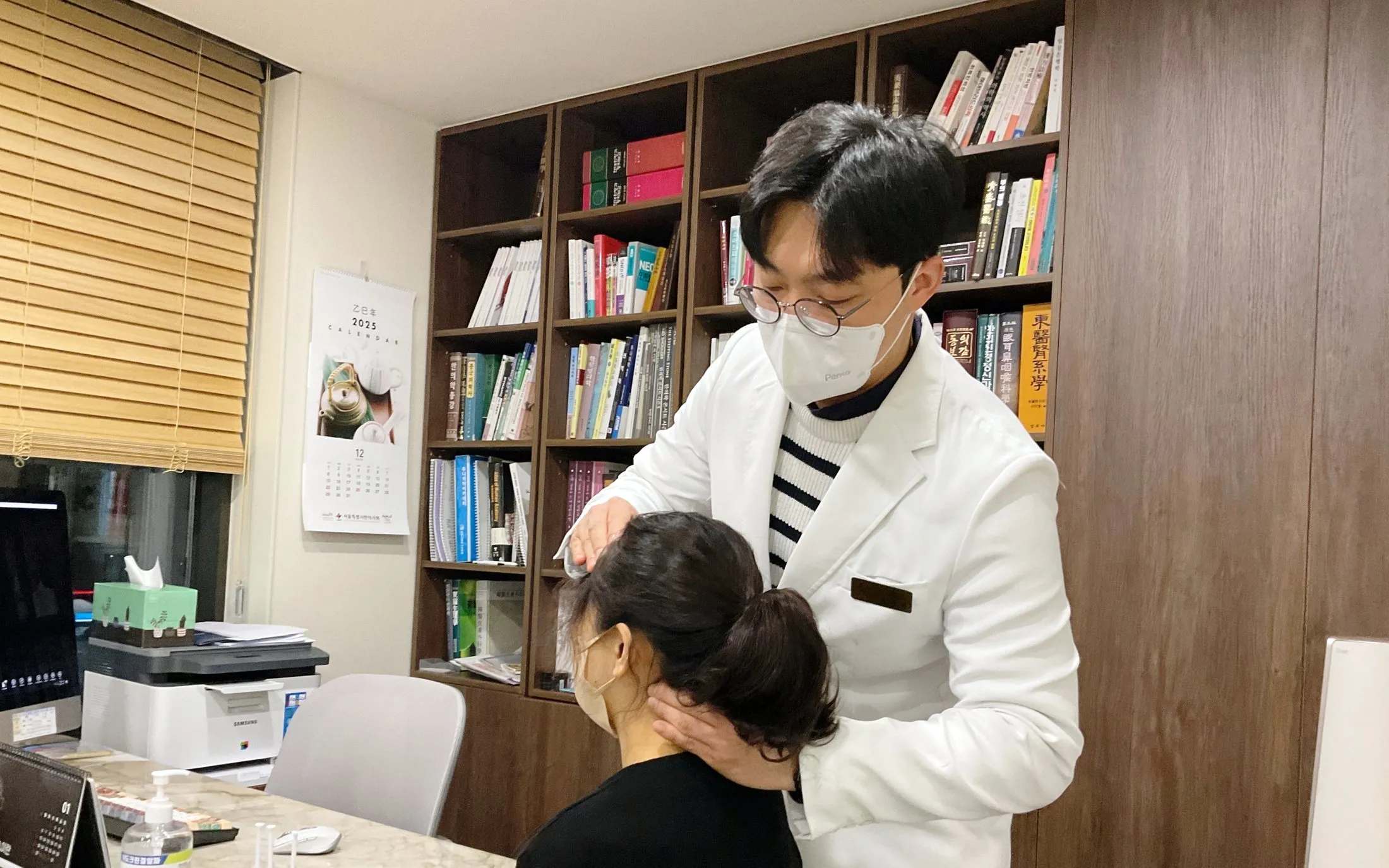 Chuna manual therapy · Posture correctionDr. Yoon, who has practiced Chuna for 16 years, personally restores balance to the spine, pelvis, and joints by hand.
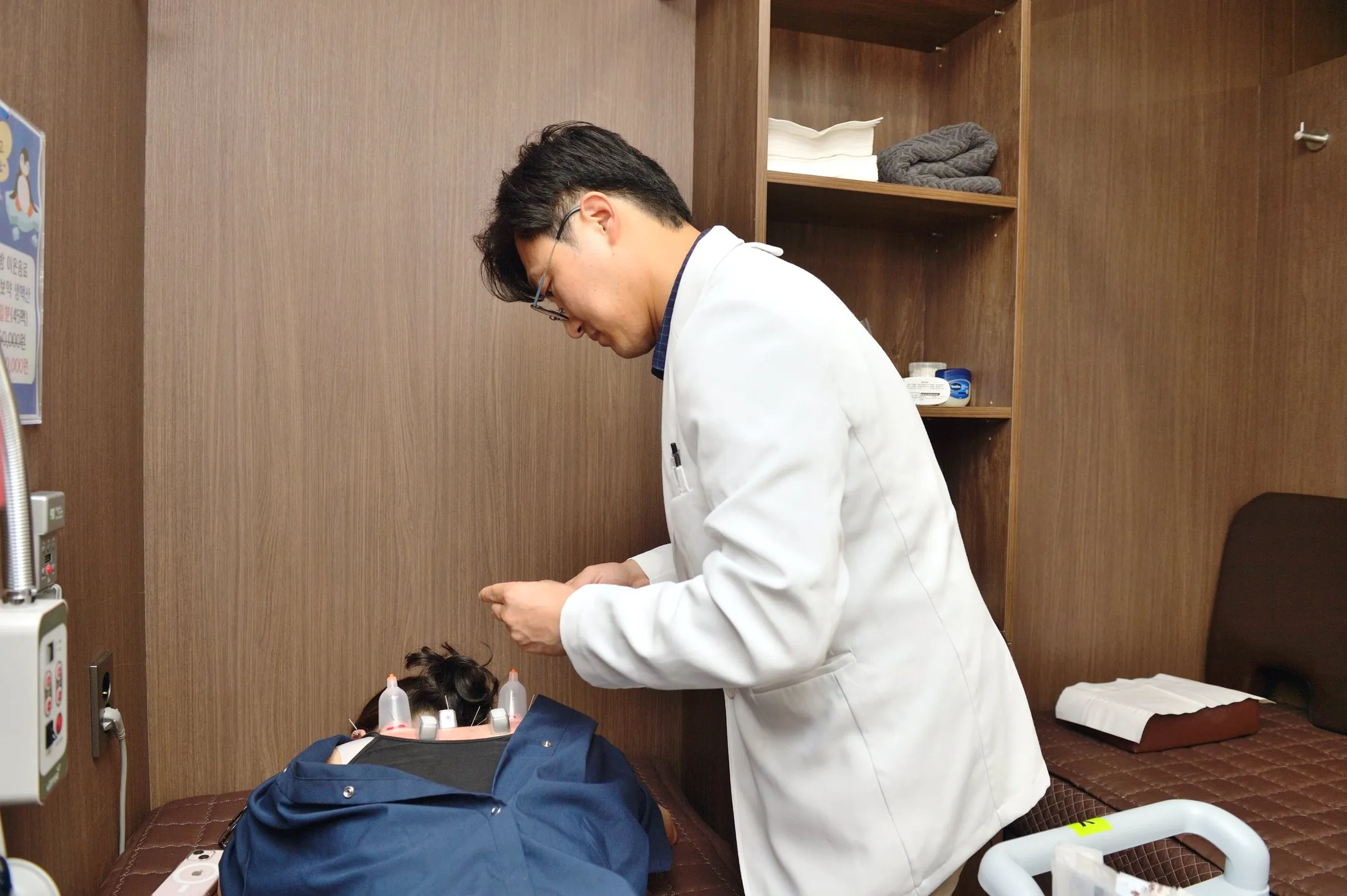 Car accident aftereffectsYou can receive acupuncture, pharmacopuncture, Chuna, and herbal medicine under auto insurance. We are also open on evenings and Saturdays.
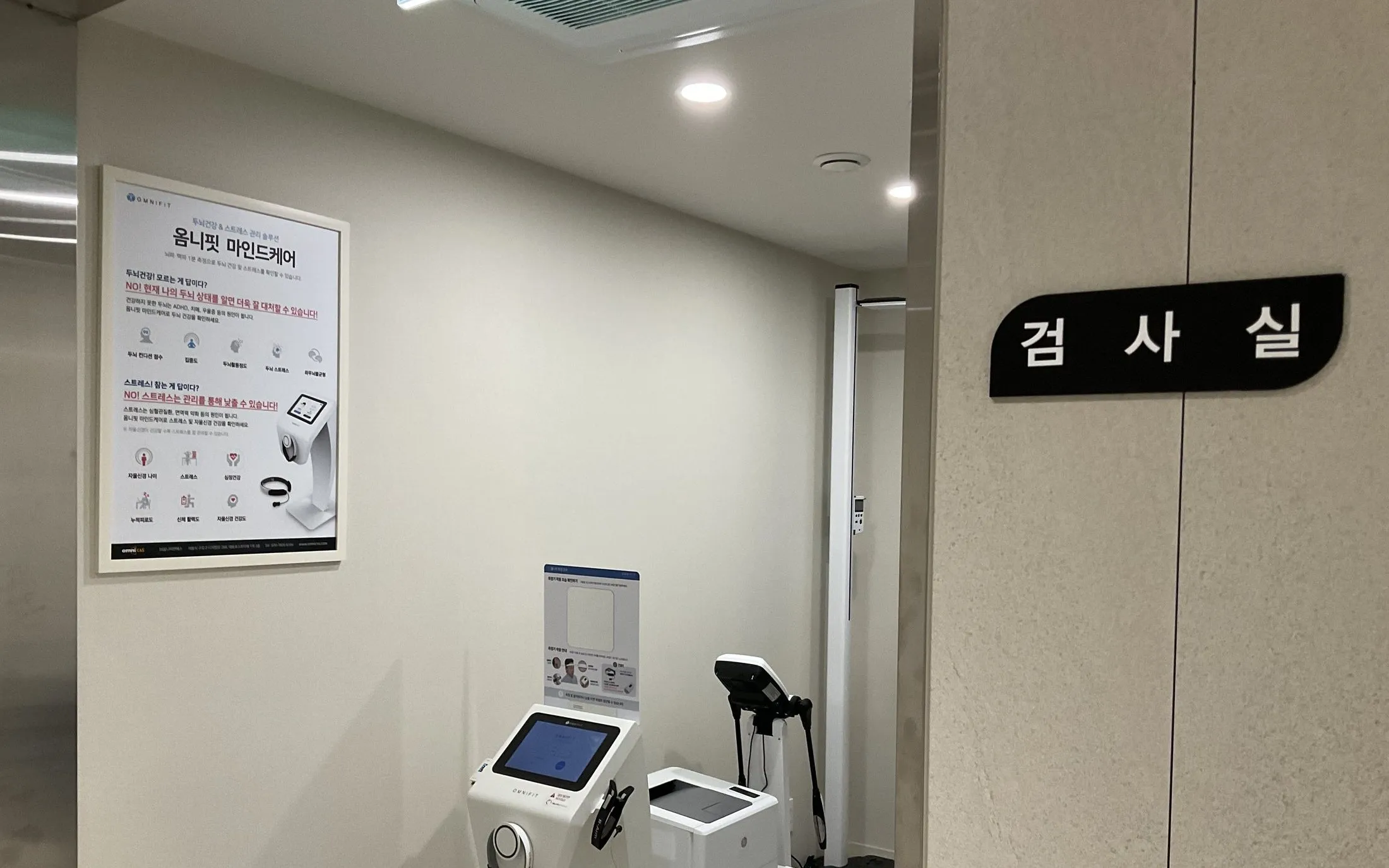 Digestion · Dizziness · TinnitusWe look into chronic indigestion and damjeok (a Korean medicine term for chronic indigestion), dizziness, and tinnitus and hearing loss through autonomic nervous system testing and constitutional treatment.